
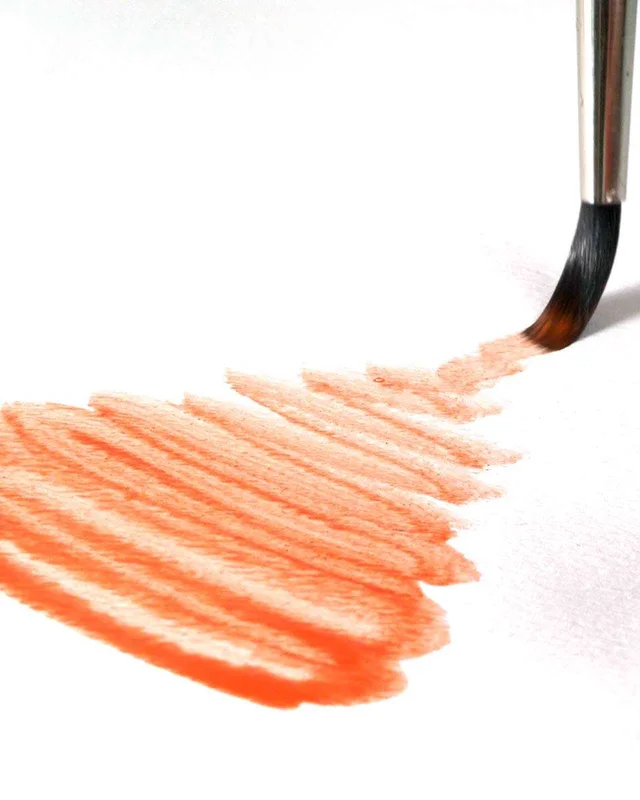
Description
Cinnabar is a naturally occurring mercury(II) sulfide mineral and the principal ore of mercury. Its crystals form in the oxidised zones of volcanic and hydrothermal deposits, producing a dense, crimson to reddish‑orange mineral with an exceptionally high refractive index (around 3.25). Historically the pigment was valued in ancient China as early as the third millennium B.C. and later became known as vermilion in Europe. This variety is prepared from ore deposits near Nikitovka in the Donetsk region of Ukraine, where the raw mineral is purified and ground to a fine powder.
The colour of warm cinnabar varies from strong red to vivid reddish‑orange (Munsell 5R to 7.5R), and the pigment’s high covering power comes from its opaqueness and density. In watercolor it disperses readily in gum arabic to give an even, non‑granulating wash with very high tinting strength. Because of its strength, it is typically used at full intensity or mixed with white to create tints; it can easily dominate subtle transparent mixtures. Cinnabar is chemically inert in mixtures and surprisingly durable: historical samples have survived for centuries, although some authorities note a tendency to darken under certain conditions. Glazing the color with organic reds such as madder or cochineal has traditionally been used to enhance chroma and mitigate darkening.
As a mercury compound, cinnabar is toxic. While some sources claim that mercury bound with sulphur is stable, handling precautions are essential. Avoid inhaling pigment dust or dried paint films, do not spray apply, and keep this color away from children and food preparation areas. Use personal protective equipment when grinding or pouring the pigment, and store unused material in sealed containers.
Composition & Permanence
| Color Information | |
|---|---|
| Color: | Red |
| Binder: | Gum Arabic |
| Additive(s): | None |
| Pigment Information | |
| Pigment: | Cinnabar |
| Pigment Classification: | Natural inorganic |
| Colour Index: | Pigment Red 106 (77766) |
| Chemical Name: | Mercury(II) Sulfide |
| Chemical Formula: | HgS |
| CAS No. | 1344-48-5 |
| Properties | |
| Code: | 510 |
| Series: | 7 |
| Opacity: | Opaque |
| Tinting Strength: | High |
| Staining: | N/A |
| Granulation: | N/A |
| Flocculation: | N/A |
| ASTM Lightfastness: | N/A |
| Permanence: | N/A |
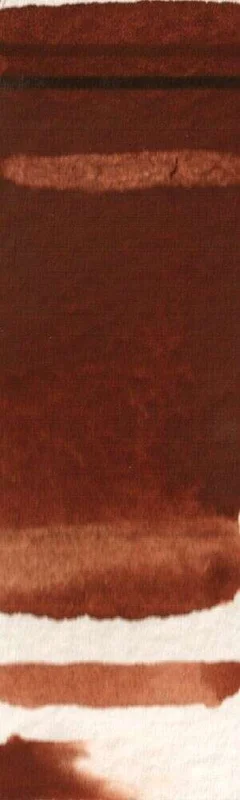
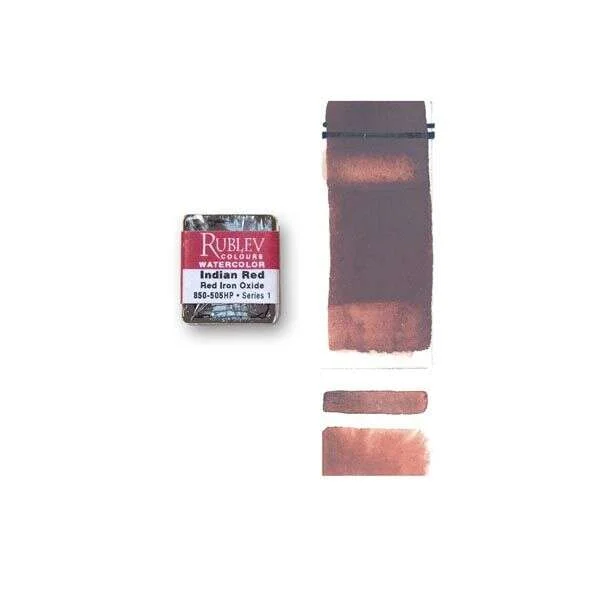
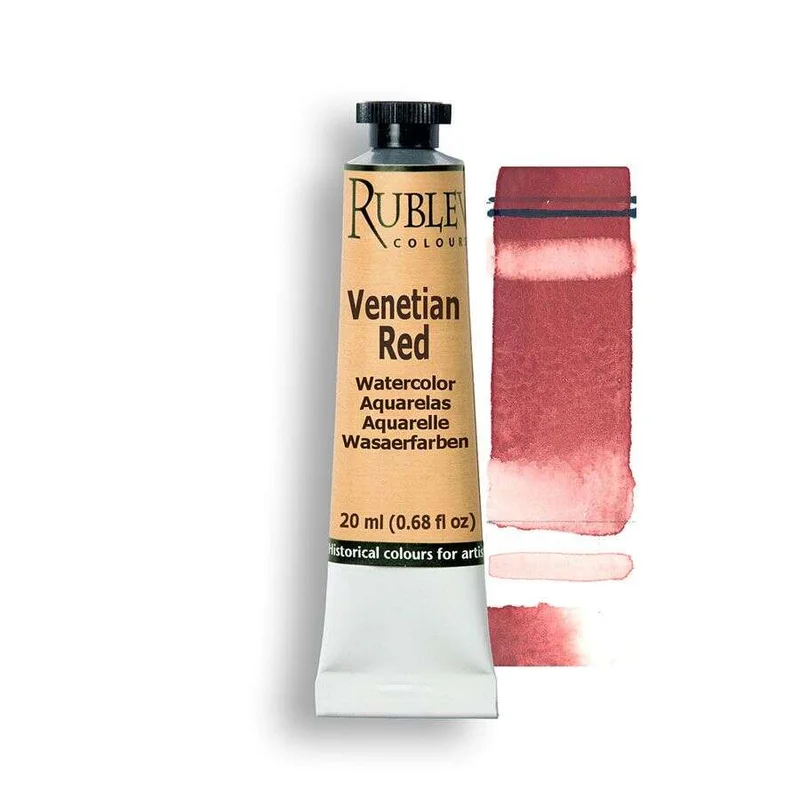
Notes: This watercolor is composed of pure cinnabar pigment dispersed in gum arabic with traditional humectants, without fillers, dispersants, brighteners or other modern additives. As a natural mineral pigment, minor variations in hue and texture are to be expected from batch to batch. Because cinnabar contains mercury compounds, it must be handled with care: avoid creating or inhaling pigment dusts or spray mists and do not use this paint for applications that may come into contact with food or the mouth. Drawdown swatches show the color full strength on the left and mixed 1:1 with white on the right. Due to differences in monitor calibration, printed and digital representations of the color may not match the actual paint.
Reviews
There are no reviews yet.